
CelSector Combat Tips That Actually Keep You Alive
Practical CelSector combat tips: swap instead of reload, kill grabbers first, pull flyers into doorways and stop wasting rifle ammo before boss doors.
Quick answer: CelSector kills you through positioning, not through damage checks. Fight from doorways, kill the enemies that can grab or slow you before the ones that only shoot, swap guns instead of reloading, and never enter a boss door with an empty rifle and a damaged outfit.
Most deaths in the first two sectors come from the same three mistakes: standing in the open against flyers, reloading while a mutant closes the gap, and walking into a web room at full speed. Fix those and the game becomes a route problem rather than a reflex problem.
Every room gets easier once the enemy that can hold you is dead. Shoot it before the swarm.

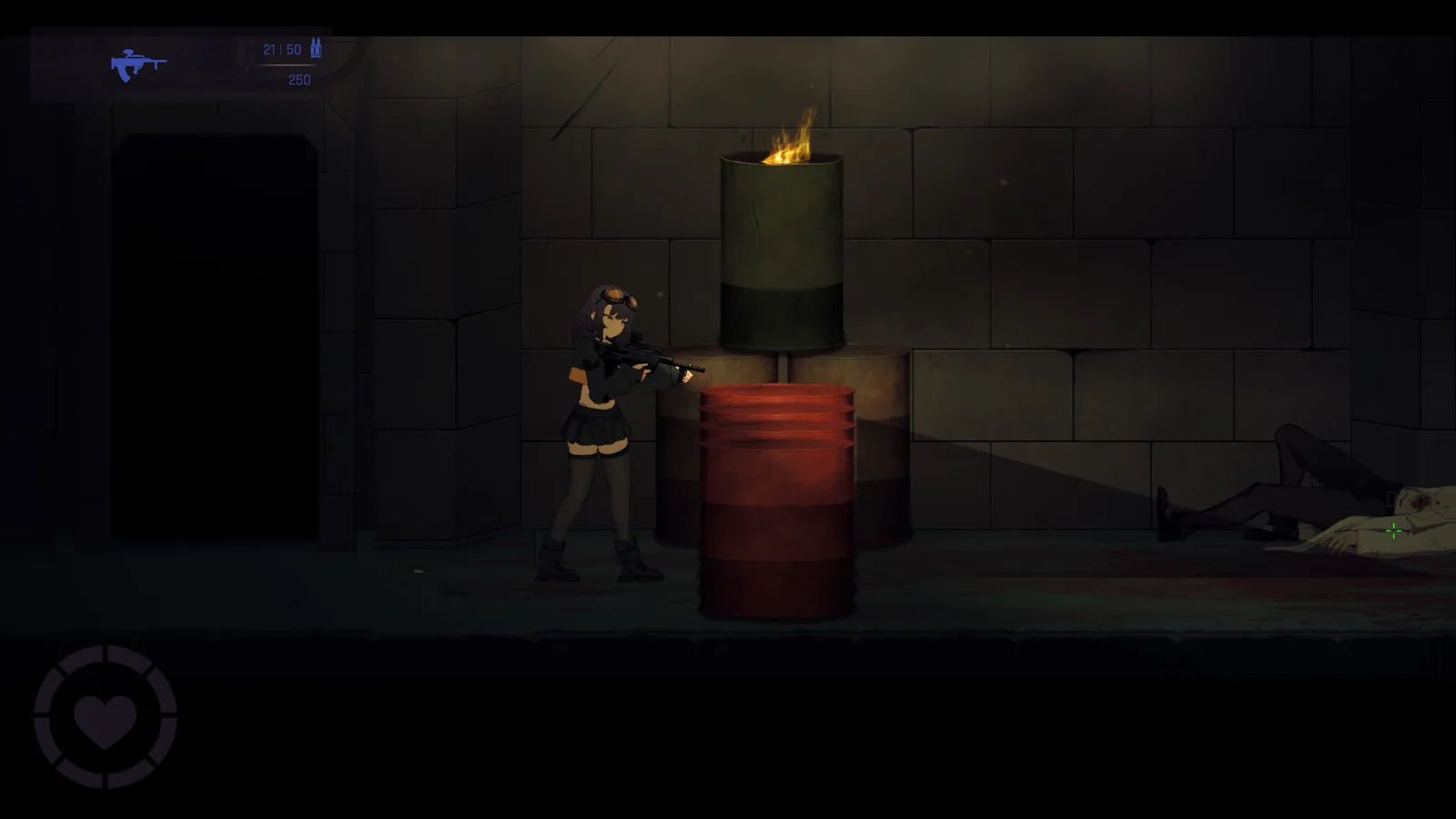
Swap, do not reload
The single biggest mechanical tip in CelSector is that switching weapons is faster than reloading. The revolver has the longest reload in the game, and standing still through it is how you get grabbed.
Build the habit early:
- Fire the shotgun dry.
- Switch to the pistol or SMG instead of reloading.
- Reload the shotgun only when you are behind a door or between rooms.
This also solves the ammo problem. The pistol has infinite ammunition, so it is always a valid fallback. You are never unarmed; you are only out of the good rounds.
Kill the grabbers first
Enemies that grab are more dangerous than enemies that shoot, because a grab removes your movement and gives the rest of the room free damage. Target priority in a mixed room:
- Web-spitters and wasps that can restrict movement.
- Anything that grabs.
- Ranged enemies.
- Trash mutants.
If you cannot identify the grabber yet, watch for the enemy that walks toward you instead of stopping to attack. That is usually the one.
Pull flyers into doorways
Wasps, jellyfish and other flyers attack in arcs and punish open ground. Standing in the middle of a room gives them angles from every direction. Standing in a doorway gives them one.
The pattern is: back into the door, let two or three commit, kill them as they enter, then step out and repeat. It is slower than charging, and it is the reason a room that killed you twice becomes trivial on the third attempt.
Respect the web rooms
Spider silk does not just slow you; it tells the room where you are. Entering a web corridor at a run usually means a spider lands on you before you see it. Clear webs with fire or a shotgun blast from the doorway, then move.
The same logic applies to slime. A slime patch is a movement debuff, and a movement debuff next to a grabber is a death sentence. Cross slime only after the room is clear, or cross it while firing at the enemy waiting on the other side.
Spend ammo like it is the last sector
Ammo drops are sparse, and boss arenas tend to lock behind you. The practical rules:
| Situation | Weapon | Why |
|---|---|---|
| Lone mutant in a corridor | Pistol | Infinite ammo, no reason to spend |
| Three enemies clumped | Shotgun | One shell clears the group |
| Wasp swarm at range | SMG or rifle | Fast projectiles, forgiving aim |
| Elite or boss head | Sniper | Highest per-shot value |
| Rows of small adds | Laser pistol | One magazine clears a row |
If you are entering a boss door with less than half a magazine in your main weapon, turn around and look for a supply room. The game rarely gives you ammo mid-fight, with one exception: the final boss's flying adds drop ammo, which is the fight's built-in resupply.
Use the environment
Explosive barrels are placed in rooms that would otherwise be unfair. Shoot them from cover, not while standing next to them. Doors and elevators are hard cover; enemies path through them in a line.
Ledges are also a weapon. Many enemies cannot follow a jump, and a drop you can climb back up is a free reset. The exception is the one-way drop in A2, which is a route decision, not a combat tactic.
Prepare the outfit before the boss
Clothing has three damage stages, and the damaged stages make grabs easier and hazards harsher. Walking into a boss with a shredded outfit is worse than walking in with a weaker gun. Change to an intact set, bank the save room, then start the fight.
The clothing damage guide→ explains what each stage changes. If you want the full defensive route, the grab and struggle page→ covers escape timing.
The three habits that matter most
If you remember nothing else:
- Doorway, not open floor. Force flyers and groups into a chokepoint.
- Swap, not reload. The pistol is always loaded.
- Sweep before you drop. A gun left on a ledge above a one-way drop is gone for the run.
These three habits carry you through A1 and A2. By B1 you will have the loadout to survive mistakes, and by C1 the game is asking you to plan ammo rather than to aim better.
FAQ
What is the most forgiving weapon? The starting pistol, because it never runs out. It is slow, but it is always available.
Should I use the sniper on normal enemies? No. Save it for elites and boss heads; the ammo is too scarce for corridor trash.
Do headshots matter? Critical kills are tracked by the Sharpshooter achievement (250 critical kills), so aiming for the head is worth it when the enemy is stationary. Do not force headshots on moving flyers.
How do I stop getting grabbed? Kill grabbers before they close, keep your outfit intact and avoid walking under ceiling enemies. The grab guide→ has the full escape loop.
Sources
Official source: CelSector on Steam ↗ · CelSector demo on itch.io ↗ · Steam news and patch notes ↗